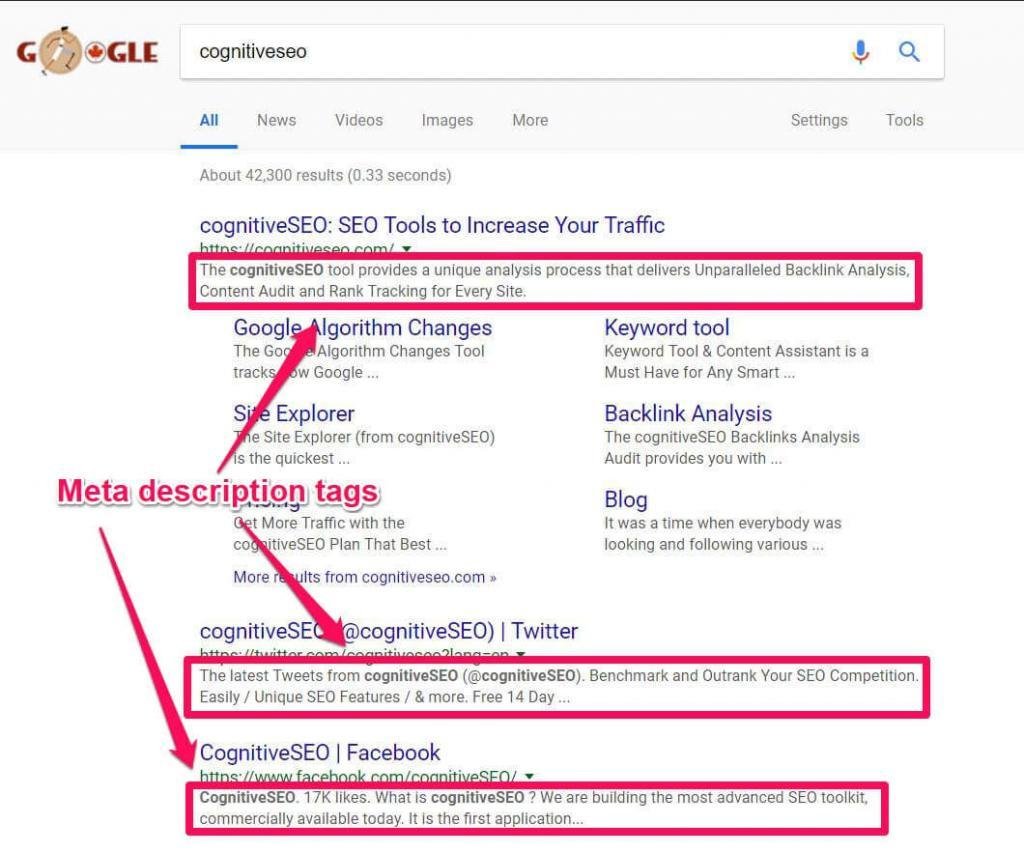
It's the digital equivalent of a newspaper headline and a compelling teaser rolled into one, a tiny snippet of text that often determines whether a potential visitor clicks on your link or scrolls right past it. We're talking about meta descriptions, and understanding The Role of Meta Descriptions in SEO, SERP Visibility, and Click-Through Rates is far more critical than many realize. While they may not be a direct ranking factor in the way keywords in content once were, their influence on how your content performs in search engine results pages (SERPs) is profound and multifaceted.
Think of it as your website's elevator pitch in the crowded marketplace of Google. It’s your chance to grab attention, convey value, and entice a click, all within a constrained space. Master this, and you master a key component of organic success.
At a Glance: Key Takeaways on Meta Descriptions
- HTML Attribute: A brief, user-facing summary of your web page content.
- SERP Visibility: Appears below your page title and URL in search results.
- Character Limit: Aim for 155-160 characters to avoid truncation.
- Indirect SEO Impact: Not a direct ranking factor, but vital for boosting Click-Through Rate (CTR).
- CTR Driver: A compelling description increases clicks, signaling relevance to search engines.
- User Experience (UX): Sets clear expectations, improving engagement and reducing bounce rates.
- Google's Role: Google frequently rewrites meta descriptions (60-70% of the time) to better match user queries and improve relevance.
- Best Practices: Be concise, use CTAs, include keywords naturally, match content, focus on user intent, and optimize for mobile.
- Future Trends: Expect more AI-generated descriptions, a stronger focus on semantic search, enhanced snippets, and increased weighting of user signals.
What Exactly is a Meta Description? The Basics You Need to Know
At its heart, a meta description is an HTML attribute, a small piece of code nestled in the <head> section of your web page. Its sole purpose is to provide search engines and, more importantly, human searchers with a succinct summary of what your page is about.
When you type a query into Google, the results you see typically include a page title (the blue clickable text), the URL, and then—below that—the meta description. This brief text acts as a signpost, giving users a preview of your content before they commit to clicking. It's your precious opportunity to communicate value and relevance in about 155 to 160 characters, the sweet spot for ensuring your message displays fully without being cut off. Exceeding this limit often leads to ellipses (...) truncating your carefully crafted message, potentially hiding crucial information.
Beyond the Description: Why Meta Descriptions Matter for Your SEO
While the direct impact of meta descriptions on search engine rankings has been a hot topic of debate for years, the consensus among SEO professionals is clear: they are not a direct ranking factor. Google has repeatedly stated that keywords in the meta description do not directly influence your position in SERPs.
However, dismissing them as irrelevant would be a grave mistake. Their power lies in their indirect influence on a host of factors that do impact your SEO performance.
The Silent Driver of Click-Through Rate (CTR): Your First Impression
This is where meta descriptions shine brightest. In a competitive SERP, your meta description is often the deciding factor for a user. A well-written, engaging description provides a clear idea of the page's content, accurately sets expectations, and gives users a compelling reason to choose your link over the alternatives.
Consider this: if your page ranks well, but no one clicks on it, what's the point? A high Click-Through Rate (CTR) signals relevance and authority to search engines. If many users are choosing your link, it suggests your content is highly pertinent to their search query. Over time, search engines may interpret this strong user engagement as a positive signal, potentially leading to improved rankings. It’s a virtuous cycle: better descriptions lead to higher CTR, which can, in turn, contribute to better search visibility.
Enhancing User Experience (UX): Setting the Right Expectations
A good meta description doesn't just get clicks; it gets the right clicks. By accurately summarizing your page content, you help users quickly determine if your page meets their needs. This pre-qualification process is crucial for user experience.
Imagine clicking a link expecting a product review, only to land on a generic category page. Frustrating, right? A precise meta description prevents such misalignments, guiding users to exactly what they're looking for. This leads to a more positive user experience, reducing the likelihood of quick exits (bounces) and encouraging longer engagement on your site.
The Ripple Effect: Indirect SEO Signals
When users find what they're looking for, they're more likely to stay on your page, explore further, and interact with your content. This positive engagement manifests in several indirect SEO metrics:
- Increased Session Duration: Users spend more time on your site.
- Lower Bounce Rate: Fewer users leave your site immediately after arriving.
- Higher Pages Per Session: Users navigate to more pages within your site.
These signals tell search engines that your content is valuable and satisfying to users, reinforcing its relevance and authority. While not direct ranking factors, they contribute to a holistic picture of quality and engagement that search engines favor.
When Google Takes the Wheel: Understanding Overrides and Dynamic SERPs
Here’s a dose of reality: you can meticulously craft the perfect meta description, but there’s a significant chance Google might still rewrite it. Estimates suggest Google rewrites meta descriptions roughly 60-70% of the time. This isn't a slight against your copywriting skills; it's part of Google's ongoing effort to deliver the most relevant and user-friendly search experience possible.
Why Google Rewrites Your Descriptions (and How Often)
Google’s primary objective is to match a user's specific query with the most helpful information. If your provided meta description is:
- Too generic or vague: "Learn more here" doesn't tell Google much.
- Too long or poorly structured: Difficult for users to scan.
- Contains redundant information: Repeating the title or URL.
- Misleading or inaccurate: Doesn't genuinely reflect the page content.
- Not relevant to the user's specific search query: This is the big one. Google often pulls snippets from your actual page content that contain the user's exact keywords.
- Missing key details or of low quality: Google will try to improve upon it.
In essence, if Google believes it can provide a better, more relevant summary for a particular search query, it will.
The Goal: Relevance for the User
Google's rewrites aren't arbitrary; they're driven by an algorithm trying to enhance user experience. Sometimes, this can actually improve your CTR, as Google might select a snippet of text that is hyper-relevant to a very specific long-tail query. This dynamic generation ensures that searchers see the most pertinent information possible, often highlighting keywords from their query within the description (by bolding them).
The Dynamic Nature of Search Results
It's also important to remember that search results are dynamic. What one user sees might be different from what another sees, even for the same query. Factors like location, device (mobile vs. desktop), search history, and even time of day can influence how your meta description appears. This reinforces the idea that relying solely on a static, pre-defined description isn't enough; you need to provide Google with high-quality content it can pull from.
Crafting Your Pitch: Best Practices for Stellar Meta Descriptions
Given Google's propensity for rewriting, your goal isn't just to write a meta description, but to write an optimal one that Google will either use as-is or, failing that, draw from to create its own highly effective summary.
Precision and Punch: Hitting the Character Sweet Spot
As mentioned, aim for 155-160 characters. This is your canvas. Use clear, direct language that immediately highlights the page's main points. Avoid flowery prose or jargon. Think of it as a newspaper headline that needs to convey the core story instantly. Get straight to the value proposition.
The Power of the Call-to-Action (CTA)
Don't be afraid to tell users what you want them to do. Incorporating action-oriented language can significantly boost CTR. Phrases like "Learn more," "Discover how," "Explore our collection," "Find out," or "Get started today" provide a gentle nudge, guiding the user towards the desired action. Make the benefit clear, then tell them how to get it.
Mirroring Your Content: Honesty Builds Trust
This is non-negotiable. Your meta description must accurately reflect the content of the page. Misleading users, even subtly, leads to frustration, high bounce rates, and damages your site's credibility. If your description promises "definitive guide to XYZ," the page better deliver exactly that. Trust is earned, even in a small meta description.
Strategic Keyword Integration: Guiding Search Engines (and Users)
While keyword stuffing is a definite no-go (and a common pitfall we'll discuss), naturally incorporating your primary and secondary keywords is still important. Keywords help search engines understand the topic of your page, increasing the likelihood that your description will be displayed—especially if it matches the user's query. Furthermore, search engines often bold keywords in the SERP description, making your result stand out visually. Focus on natural language, not just a string of terms.
Decoding User Intent: Speaking Directly to Their Needs
One of the most powerful strategies is to tailor your description to the likely intent behind a user's search.
- For informational queries (e.g., "how to fix a leaky faucet"), your description should promise solutions, tips, or guides.
- For commercial or transactional queries (e.g., "best running shoes under $100"), highlight features, benefits, prices, or special offers.
- For navigational queries (e.g., "Nike homepage"), reinforce brand and quick access.
Anticipate what your ideal visitor is seeking and provide that reassurance upfront.
Mobile-First Mentality: Optimize for Every Screen
A significant portion of web traffic now comes from mobile devices. Character limits can be even tighter on smaller screens, increasing the chance of truncation. Write concisely and prioritize your most impactful words at the beginning of the description to ensure your core message is always visible.
Unlocking Rich Snippets with Structured Data
This is where meta descriptions get a powerful upgrade. Implementing structured data (Schema Markup) directly enhances your SERP visibility. Schema allows you to provide search engines with specific, structured information about your page content. This can result in "rich snippets"—visual enhancements like product ratings, review stars, recipe details, event times, or FAQs appearing directly below your title and URL. These rich snippets drastically improve visibility and dramatically increase CTR by offering more valuable context to searchers.
Igniting Curiosity: The Art of the Tease
Sometimes, especially for informational content, you don't want to give everything away in the description. Instead, spark curiosity. Hint at the valuable information, unique perspective, or compelling story awaiting them. For example, "Discover the surprising truth behind X" or "We reveal the top 3 secrets to Y." Give them enough to be intrigued, but not so much they feel they already have the answer.
The Iterative Loop: Test, Analyze, Refine
SEO is rarely a "set it and forget it" endeavor, and meta descriptions are no exception. Regularly review your page performance in Google Search Console, paying close attention to CTR. If a page with good rankings has a low CTR, your meta description might be a culprit. Don't be afraid to tweak and test different versions. A/B testing can provide valuable insights into what resonates with your audience. As you learn more about how to craft compelling snippets, tools can help you generate ideas and optimize.
E-commerce Edge: Dynamic Descriptions for Product Pages
For e-commerce sites with thousands of products, manually writing descriptions for each is impractical. Implement dynamic meta descriptions that automatically pull key product information like name, category, price, and unique selling points. Ensure these templates are readable and prevent keyword stuffing. For instance: "Buy [Product Name] – [Brand]. [Short unique selling point]. Get it today for [Price] with free shipping!"
Common Blunders to Sidestep: What NOT to Do
Even with the best intentions, it's easy to fall into common traps that can undermine your meta description efforts.
The Keyword Stuffing Trap
In the past, some SEOs tried to game the system by cramming as many keywords as possible into their meta descriptions. This practice is now detrimental. It makes the description unreadable, reduces user engagement, and signals low quality to search engines. Focus on natural language that serves the user, not just a list of keywords.
Vague Promises and Misleading Hype
Avoid generic phrases like "Great content here!" or descriptions that over-promise and under-deliver. If your description doesn't accurately reflect your content, users will bounce immediately, damaging your engagement metrics and trust. Be specific, honest, and value-driven.
The Peril of Duplication
Every page on your website should ideally have a unique meta description. Duplicating descriptions across multiple pages dilutes their uniqueness and relevance, potentially leading Google to ignore them altogether. Even for similar pages, strive for distinct descriptions that highlight the unique value of each piece of content.
Overlength: When More is Less
As discussed, exceeding the 155-160 character limit will lead to truncation. This often cuts off your call-to-action or the most compelling part of your message. Be ruthless in your editing to ensure your entire message is displayed.
Ignoring Voice Search Nuances
With the rise of voice search, queries are becoming more conversational. While this mainly impacts keyword strategy for content, it also suggests that overly complex or stilted language in your meta descriptions might not resonate. Aim for a natural, conversational tone that mirrors how people speak.
Missing the Mark on User Intent
Failing to align your meta description with the user's intent is a missed opportunity. If someone is searching for a solution, don't give them a product feature list. If they're looking for information, don't present a sales pitch. Mismatched intent leads to fewer clicks and unqualified traffic.
Keyword Myopia: Beyond the Single Term
While keywords are important, don't rely solely on them. Your meta description needs to provide context, value, and a reason to click, not just signal keyword relevance. Think about the broader topic and the problem your content solves.
The Stale Description: Keep it Fresh
Just like your content, your meta descriptions can become outdated. If your product features change, your service evolves, or you publish a new edition of a guide, ensure your meta description reflects these updates. Outdated information hurts user experience and can negatively impact your search engine standing.
The Future is Now: Meta Description Trends for 2025 and Beyond
The landscape of search is constantly evolving, driven by advancements in artificial intelligence and a deeper understanding of user behavior. Meta descriptions, while seemingly static, are very much part of this evolution.
The Rise of AI-Generated Descriptions
Expect search engines, particularly Google, to lean even more heavily on AI to dynamically generate and rewrite meta descriptions. This isn't just about matching keywords; it's about understanding the nuance of a user's query, their location, and their past search history to create the most hyper-relevant snippet possible. Your role will shift from prescriptive writing to providing rich, well-structured content that AI can effectively draw from.
Embracing Semantic Search
The days of focusing on exact keyword matches are fading. Semantic search emphasizes understanding the meaning and context behind search queries. For meta descriptions, this means moving beyond just including keywords and towards reflecting intent-based, conversational phrases, and encompassing topic clusters. Your descriptions should anticipate the user's full question or need, not just a few keywords.
Structured Data and Entity-Based Descriptions: More Crucial Than Ever
Structured data (Schema Markup) will continue to grow in importance. It's how you explicitly tell search engines what your content is—whether it's a recipe, an event, a product, or an article. Entity-based descriptions, which refer to specific "things" (people, places, organizations, concepts), will become vital for helping AI connect topics and improve the depth of understanding. This allows for more sophisticated rich snippets and enhanced visibility, especially in nascent areas like voice search results.
User Signals Taking Center Stage
The emphasis on user engagement metrics (CTR, time on page, bounce rate) will only intensify. Google’s algorithms are getting better at identifying content that truly satisfies users. If your meta description consistently drives high-quality clicks that lead to positive on-page engagement, it will send strong signals to Google, influencing not just your ranking but also how Google chooses to display your page in SERPs—including its decision to use or rewrite your meta description.
Hyper-Local Optimization
For local businesses, the precision of meta descriptions will be paramount. Structured data for local businesses (LocalBusiness schema) combined with location-based keywords will be vital. AI will likely tailor descriptions even more specifically to a user's proximity and local intent, so ensuring your content is rich with location-specific details will be key.
Your Action Plan: Thriving in the Evolving Search Landscape
The role of meta descriptions is evolving, but their core purpose remains steadfast: to serve as your digital storefront's compelling invitation. To succeed in 2025 and beyond, your strategy needs to be agile and forward-thinking.
- Prioritize User Intent Above All Else: Always ask: "What is the user really looking for when they type this query?" Craft your description to answer that question directly, providing clear value and setting accurate expectations.
- Embrace Structured Data: Don't just write a meta description; help search engines understand your content. Implement Schema Markup whenever possible to unlock rich snippets and provide context that goes beyond plain text.
- Think Semantically, Not Just Keywords: Move beyond exact keyword matching. Focus on the overall topic, related concepts, and the natural language users employ. Provide enough context in your description that Google's AI can understand the intent, even if the exact keywords aren't present.
- Optimize for Dynamic Display: Assume Google might rewrite your description. Ensure your on-page content is rich, well-structured, and contains relevant snippets that Google's AI can pull from if it chooses to dynamically generate a description. This makes every paragraph a potential meta description.
- Test, Monitor, and Refine: Use Google Search Console to track CTR for your pages. If a page has good impressions but poor clicks, iterate on your meta description. The data will tell you what's working and what isn't.
- Maintain Accuracy and Freshness: Regularly audit your meta descriptions to ensure they remain accurate reflections of your content. Outdated descriptions are a disservice to users and can harm your SEO.
Meta descriptions are small but mighty. By strategically crafting them, you're not just writing a summary; you're actively shaping your website's first impression, driving valuable traffic, and sending powerful signals to search engines about the quality and relevance of your content. Make every character count.