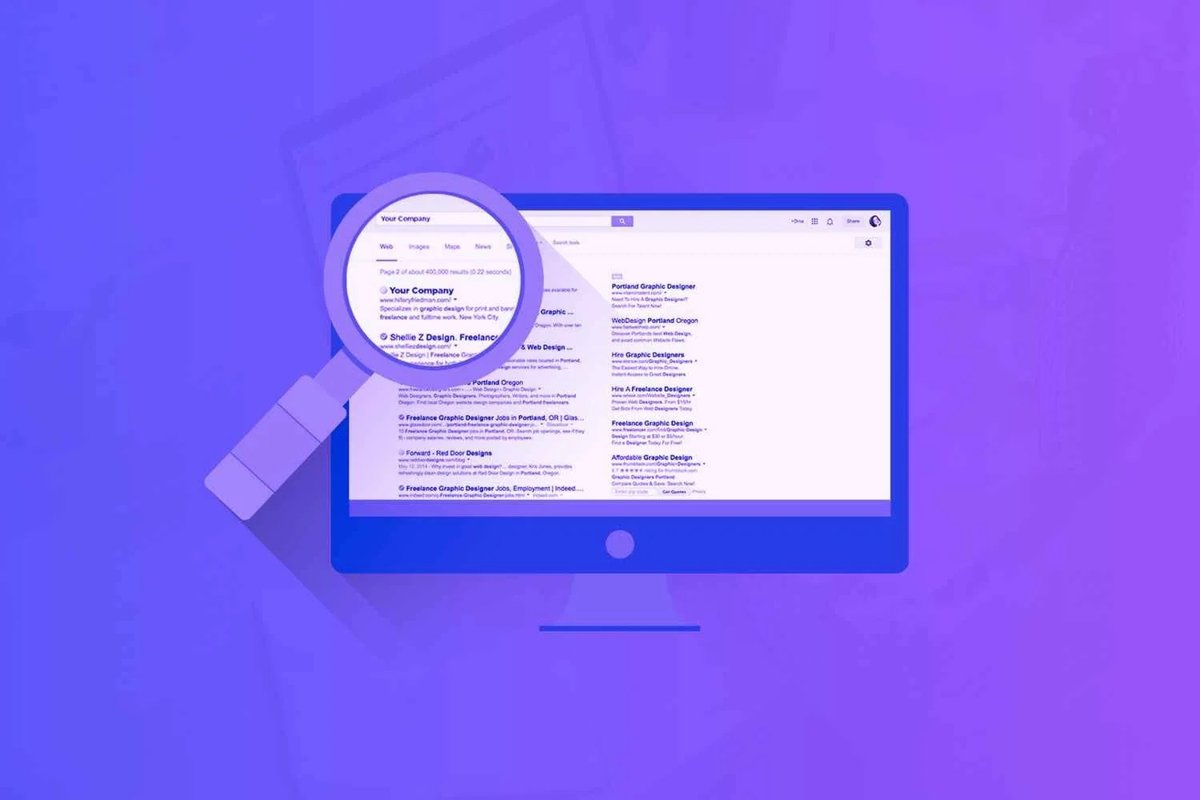
Standing out in today's crowded search results feels like an endless quest. Every pixel, every word counts. Yet, one small, often overlooked element holds immense power: the meta description. It's the silent salesperson for your content, your website's elevator pitch on the Search Engine Results Page (SERP). But how do you craft descriptions that genuinely convert browsers into visitors? And how can you scale that effort without sacrificing quality?
The answer, increasingly, lies in leveraging smart technology. Learning How to Effectively Use a Meta Description Generator for SEO & CTR isn't just about automation; it's about strategic enhancement. It's about combining artificial intelligence with human insight to create irresistible snippets that boost your visibility and bring the right people to your digital doorstep.
At a Glance: Key Takeaways for Meta Description Mastery
- Meta Descriptions aren't direct ranking factors, but they critically influence SEO by impacting your Click-Through Rate (CTR).
- Optimal length is crucial: Aim for 150-160 characters for desktop, 120 for mobile, front-loading key info.
- Always include target keywords naturally, use active voice, and incorporate a clear Call to Action (CTA).
- Descriptions must be relevant, accurate, and unique for every page.
- Tailor descriptions to content type (blog, product, service) and user intent (informational, transactional).
- Avoid common pitfalls like duplication, vagueness, keyword stuffing, and neglecting mobile views.
- AI meta description generators offer efficiency and scale, but they require human input, refinement, and A/B testing for optimal results.
- Track performance using metrics like CTR in Google Search Console to identify and optimize underperforming descriptions.
Beyond the Click: Why Meta Descriptions Are Your Silent SEO Partner
Imagine scrolling through a long list of search results. What makes you choose one over another? Often, it's the snippet of text directly below the title – that's your meta description. In simple terms, a meta description is an HTML attribute, a brief summary of a webpage's content, designed to give searchers a sneak peek before they click.
While Google has stated that meta descriptions aren't a direct ranking factor for organic search, their impact on your SEO is undeniably significant and indirect. Think of it this way: a compelling meta description advertises your page, piques curiosity, and manages user expectations. When more users find your description appealing and click on your result, your Click-Through Rate (CTR) goes up. Google interprets a higher CTR for a given query as a positive user signal, indicating your content is highly relevant and valuable. Over time, this can lead to improved rankings. In fact, optimized meta descriptions have been shown to improve CTR by as much as 5.8%. It's a powerful lever for attracting more qualified traffic.
The Blueprint: Crafting Meta Descriptions That Command Attention
A truly effective meta description isn't just a summary; it's a meticulously crafted piece of micro-copy designed to compel. Here's how to build one that truly resonates:
Precision in Length & Placement
Search engines have limited space. For desktop, aim for descriptions between 150-160 characters. On mobile devices, which account for over 60% of searches, this often shrinks to around 120 characters before truncation with an ellipsis (...). To maximize impact, front-load your most compelling information – the key benefit, the core answer, or the strongest hook – within those first 120 characters. Don't leave your best punch for the end.
Intelligent Keyword Integration
Your target keywords are vital, but not in a "stuff them everywhere" kind of way. Naturally incorporate your primary focus keyword and any relevant secondary keywords where they make sense and enhance readability. When a user's search query matches words in your meta description, Google often bolds those terms. This visual cue immediately draws attention to your result, making it more likely to be clicked. Focus on natural language, not keyword density for its own sake.
Speak to Act: Active Voice & Power Verbs
Passive voice ("The report was written...") can feel weak and unengaging. Switch to active voice ("We wrote the report...") to make your descriptions direct and authoritative. Even better, infuse them with action-oriented language and power verbs. Words like 'discover,' 'learn,' 'get,' 'explore,' 'uncover,' or 'transform' convey urgency and a clear benefit, urging users to take the next step.
The Undeniable Call to Action
Don't leave users guessing what to do next. A clear Call to Action (CTA) acts as an explicit invitation. Whether it's 'Learn More,' 'Get Started,' 'Shop Now,' 'Download Your Guide,' or 'Request a Quote,' a well-placed CTA tells the user exactly what they'll gain by clicking. This also manages expectations, reducing bounce rates from users who might have clicked expecting something different.
Truth, Uniqueness, & Relevance
Your meta description is a promise. It must honestly and accurately preview the page content. Misleading descriptions, even if they initially generate clicks, lead to high bounce rates and erode user trust – negative signals that can hurt your rankings. Furthermore, every single page on your website deserves a unique meta description. Duplicating descriptions across pages is a missed opportunity to target specific keywords and user intents, and it makes your site appear less helpful to search engines.
Connecting with User Intent
The best meta descriptions speak directly to what the user is trying to accomplish.
- Informational Intent: Focus on providing answers, insights, or solutions (e.g., "Discover the surprising truth about...", "Learn 5 easy ways to...").
- Commercial Intent: Highlight comparisons, reviews, or expert analysis (e.g., "Compare the top 10 widgets of 2025...", "Read our unbiased review of...").
- Transactional Intent: Emphasize offers, products, services, and value propositions (e.g., "Shop the latest collection...", "Get started with our free trial...").
By understanding and addressing the user's specific intent, you craft a description that feels tailor-made for their needs.
Tailoring Your Teaser: Meta Descriptions for Every Content Type
Just as your content varies, so too should your meta descriptions. A one-size-fits-all approach is a recipe for missed opportunities.
Blog Posts
For blog posts, your meta description should entice curiosity or highlight key takeaways. Pose a compelling question that the article answers, promise to solve a specific problem, or tease a surprising insight.
- Example: "Unlock the secrets to faster content creation. Learn how AI tools can boost your writing efficiency by 30% without sacrificing quality."
Product Pages
These are sales pitches in miniature. Focus on the product's core features, its most significant benefits, and any Unique Selling Propositions (USPs). If applicable and competitive, you might even include price or special offers.
- Example: "Experience crisp audio with our noise-cancelling headphones. Get 20+ hours battery life, ultimate comfort, and a 30-day money-back guarantee. Shop now!"
Service Pages
Clearly articulate the service you offer, the value it provides, and the tangible outcomes clients can expect. Build trust by emphasizing expertise or results.
- Example: "Boost your local visibility with our expert SEO services. Drive more organic traffic, dominate local search, and grow your business today. Get a free quote!"
Landing Pages
Landing page meta descriptions must be perfectly aligned with the ad copy or campaign goals that lead users there. They should be concise, direct, and reinforce the offer or message the user expects.
- Example: "Claim your exclusive 50% discount on premium web hosting. Fast, secure, and reliable hosting for your business. Limited-time offer – sign up now!"
The Perils of Poor Descriptions: Common Mistakes to Avoid
Even seasoned marketers can stumble when it comes to meta descriptions. Sidestepping these common errors is crucial for sustained SEO and CTR success.
- Duplication: Using the same generic description across multiple pages signals to search engines that your content isn't unique, missing a critical opportunity to target specific user queries.
- Being Vague or Misleading: Descriptions like "Welcome to our homepage" or making false promises ("Get rich quick!") damage trust and lead to high bounce rates. Always be honest and specific about what's on the page.
- Ignoring Mobile: Over 60% of searches happen on mobile. If you're not checking how your descriptions appear on smaller screens (and getting truncated), you're losing potential clicks.
- Neglecting Updates: Website content evolves, and so should your meta descriptions. Failing to review and update old or outdated descriptions annually (e.g., one that mentions "...for 2022" in 2025) makes your content seem stale.
- Keyword Stuffing: Overloading descriptions with keywords (e.g., "buy shoes cheap, best shoes, discount shoes, women's shoes") reads poorly, harms user experience, and can be penalized by search engines.
- Missing Calls-to-Action: Without a clear CTA, users might not understand the next step or why they should click your link over a competitor's.
- Using Special Characters: Straight quotation marks (
" ") can cause search engines to truncate your description prematurely. Opt for hyphens (-) or commas (,) instead.
Enter the AI: How Meta Description Generators Revolutionize the Game
Crafting perfect meta descriptions for hundreds or even thousands of pages manually is a monumental task. This is where artificial intelligence steps in, offering a powerful solution to scale your efforts without compromising quality.
The Tech Behind the Magic
Modern AI meta description generators leverage advanced Natural Language Processing (NLP) and sophisticated machine learning models. Often built on transformer-based architectures similar to GPT, these tools are trained on vast datasets of web content. They analyze the context of your page (from its title, body content, and keywords), identify key selling points, and then generate human-like, optimized descriptions. They excel at naturally integrating keywords, adhering to character limits, and even inferring user intent.
Unleashing Efficiency: Advantages of AI Generators
- Scale and Efficiency: AI can generate dozens, even hundreds, of unique descriptions in minutes, a task that would take human writers hours or days.
- Consistency: AI helps maintain a consistent tone, style, and quality across all your descriptions, ensuring your brand voice is always on point.
- Data-Informed Optimization: Many advanced generators are trained on high-performing meta descriptions, baking in best practices.
- Seamless Keyword Integration: They're adept at weaving keywords into natural-sounding sentences without resorting to stuffing.
- Multiple Variations for A/B Testing: AI can quickly produce several distinct descriptions for the same page, providing ideal candidates for split-testing to find the highest-performing version.
This is where a dedicated tool like Our meta description generator truly shines, turning what used to be a tedious chore into a strategic advantage, freeing up your time for higher-level SEO strategy.
Where AI Needs a Human Touch: Limitations
While incredibly powerful, AI isn't a silver bullet. It's a tool, and like any tool, it performs best with a skilled operator.
- Nuanced Brand Messaging: AI might sometimes miss subtle brand humor, a highly specific brand personality, or an inside joke that only your audience would appreciate.
- Highly Unique Value Propositions: If your product or service has a truly novel, complex, or highly specialized USP, AI might generalize it.
- Emotional Nuance: While AI can generate persuasive language, deeply empathetic or highly emotional appeals might still require a human touch to resonate profoundly.
Human oversight isn't just recommended; it's essential to refine AI outputs for absolute accuracy, brand alignment, and that irresistible human spark.
Mastering the Machine: Best Practices for Using AI Generators Effectively
To truly harness the power of AI for your meta descriptions, you can't just hit 'generate' and walk away. Strategic interaction with the tool will yield far superior results.
Feed the AI Right: Prepare Your Input
Garbage in, garbage out. The quality of your AI-generated descriptions directly correlates with the quality of your input.
- Provide Clear Context: Give the AI the page title, a concise content summary (even a few bullet points), and the main idea of the page.
- Specify Primary Keywords: Clearly list your focus keyword and any secondary keywords you want included.
- Define Audience & Intent: Is this for beginners or experts? Are they looking to learn, buy, or compare?
- Include Unique Selling Points (USPs): Highlight what makes your content or product special. Is it a unique feature, a special offer, a particular benefit?
- Note Brand Voice Parameters: If your brand is formal, playful, authoritative, or empathetic, convey this to the AI.
Refine, Polish, Personalize: The Human Editor's Role
Consider AI as your super-efficient first-draft assistant. Your job is the crucial second step:
- Verify Accuracy: Always double-check that the AI-generated description perfectly matches the actual content of the page. Avoid any discrepancies.
- Check Keyword Inclusion: Ensure your target keywords are present and flow naturally, without stuffing.
- Enhance Uniqueness: Add brand-specific language, a unique turn of phrase, or a distinct benefit that might have been missed by the AI's general training.
- Strengthen CTAs: Make sure the Call to Action is clear, compelling, and appropriate for the page's goal.
- Test Readability: Read it aloud. Does it sound natural? Is it easy to understand quickly?
The Ultimate Test: A/B Testing AI Outputs
One of AI's greatest strengths is its ability to generate multiple, high-quality variations quickly. Use this to your advantage through A/B testing.
- Generate 2-3 Alternatives: Ask the AI to produce a few different takes on the meta description for a single page.
- Implement Split-Testing: Use tools like Google Search Console (by monitoring CTR after updating) or specialized SEO testing platforms (like SearchPilot or ClickFlow) to test which version performs best.
- Analyze Performance Metrics: Track not just CTR, but also bounce rates and even conversions if applicable, to identify the most effective versions. Allow sufficient time (2-4 weeks) for statistically significant results before making a final decision.
Your Toolkit for Meta Description Success
You don't have to go it alone. A robust toolkit can help you craft, monitor, and optimize your meta descriptions, whether you're using AI or a completely manual approach.
Crafting & Ideation
- WordPress SEO Plugins: Tools like Yoast SEO Plugin and Rank Math are indispensable. They provide dedicated meta description boxes with real-time character counters and snippet previews, showing you exactly how your description will look on SERPs.
- Keyword Research Tools: SEMrush, Ahrefs, and similar platforms help you discover high-value target keywords that users are actively searching for, giving you essential ingredients for your descriptions.
- AI Writing Assistants: Beyond dedicated meta description generators, general AI tools like ChatGPT can be used to brainstorm ideas, rephrase sentences, or generate variations to feed into your specific generator.
Monitoring & Optimization
- Google Search Console (GSC): Your primary source for performance data. Track impressions, clicks, and CTR for individual pages. GSC is crucial for identifying pages with high impressions but low CTR – prime candidates for meta description rewrites.
- Analytify: For WordPress users, Analytify integrates Google Analytics 4 data directly into your dashboard, offering easy access to pageviews, bounce rates, and engagement metrics to complement GSC data.
- SEO & Analytics Platforms: SEMrush, Ahrefs, and RankRanger offer competitive analysis, allowing you to see what descriptions your competitors are using.
- A/B Testing Tools: Specialized platforms like SearchPilot or ClickFlow are designed to facilitate robust A/B testing of SEO elements, including meta descriptions, helping you validate changes with statistical confidence.
The Cycle of Success: Measuring & Optimizing Meta Description Performance
Your work doesn't end once a meta description is published. True effectiveness comes from continuous monitoring and optimization.
Key Metrics to Watch
- Click-Through Rate (CTR): The most direct indicator of your meta description's pulling power. A higher CTR means more users are choosing your link.
- Bounce Rate: If users click but immediately leave, your description might have been misleading, or the page content didn't meet their expectations.
- Impression-to-Click Time: How quickly do users click on your result after seeing it? A faster time can indicate immediate relevance.
- Keyword-to-Description Alignment: Are the keywords in your description relevant to the page content and the user's actual search query?
- Device-Specific Performance: Check if CTR or bounce rate differs significantly between desktop and mobile, signaling a need for mobile-specific optimization.
Actionable Optimization Strategies
- Google Search Console Insights: Regularly review GSC to pinpoint pages with strong impressions but weak CTR. These are your low-hanging fruit for meta description rewrites. Filter by device, query, and page to uncover specific opportunities.
- A/B Testing: As mentioned, this is your most powerful tool. Test different angles: feature-focused vs. benefit-focused, different CTAs, or varying emotional appeals. Allow 2-4 weeks for tests to gather statistically significant data. Don't pull the plug too early!
- Adjust Based on Data: If a new description yields a higher CTR and lower bounce rate, keep it. If not, revert or try another variation. Continuous iteration is key.
Knowing When to Update
Your meta descriptions aren't set in stone. Here are crucial triggers for a refresh:
- CTR Falls Below Benchmarks: If your page's CTR consistently dips below industry averages (typically 2-3% for competitive terms), it's a clear signal.
- Significant Page Content Changes: If you've updated the article, product, or service, your description must reflect those changes.
- Seasonal Opportunities: Holiday promotions, annual reports, or seasonal content warrant updated descriptions.
- Competitive Landscape Shifts: New competitors or changes in their SERP snippets might require you to sharpen your own.
- Your Value Proposition Evolves: If your offering changes (new features, different pricing, improved benefits), update the description.
- New Keywords Drive Traffic: If your page starts ranking for new, valuable keywords, incorporate them into your description if it enhances relevance.
- Regular Audits: Conduct a quarterly audit of your high-traffic pages, and an annual audit for all others, to ensure descriptions remain fresh and effective.
Your Next Move: Transform Clicks into Connections
The journey to mastering meta descriptions is an ongoing one, a blend of art and science. By strategically leveraging the power of AI meta description generators, you gain an unprecedented advantage in efficiency and scale. But remember, the 'human touch' remains indispensable. Your expertise in understanding your audience, refining AI outputs, and meticulously testing performance is what ultimately transforms generated text into compelling calls to action.
Don't let your meta descriptions be an afterthought. Embrace them as a powerful, indirect SEO tool, an opportunity to make a lasting first impression, and a critical driver for increasing your CTR. Start by auditing your current descriptions, experimenting with AI-generated variations, and committing to a cycle of continuous improvement. Your audience – and your search rankings – will thank you for it.