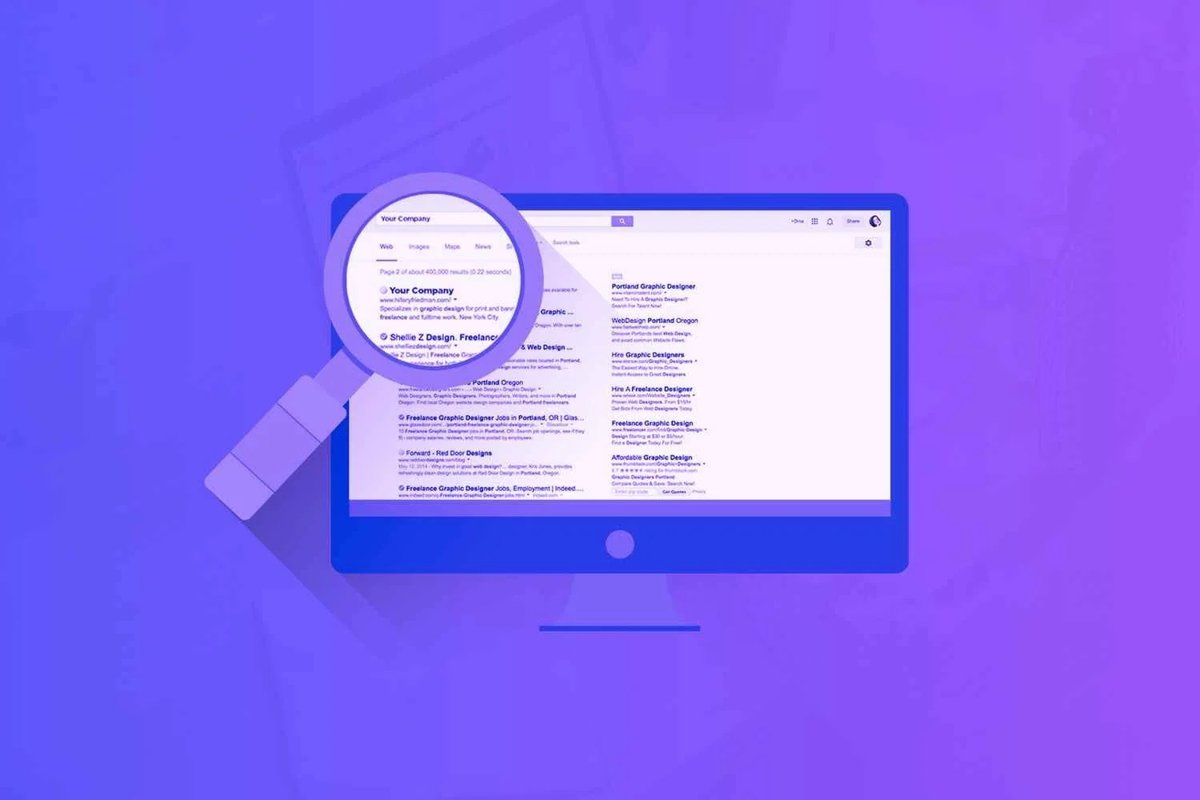
The digital marketing landscape is constantly evolving, demanding sharper strategies and more efficient tools to capture user attention. In this high-stakes environment, harnessing the benefits of using an AI-powered meta description generator has become not just an advantage, but a necessity for enhancing SEO and driving organic traffic. Forget the days of painstakingly crafting every meta description by hand; AI offers a revolution in precision, speed, and performance.
At a Glance: Why AI-Powered Meta Descriptions Matter
- Boost Click-Through Rates (CTR): AI identifies patterns in high-performing descriptions to craft compelling snippets that entice users.
- Save Time & Scale Efforts: Automate the creation of descriptions for hundreds or thousands of pages, freeing up your team for strategic work.
- Enhance Keyword Strategy: AI integrates seamlessly with keyword research, ensuring optimal phrasing and long-tail keyword inclusion.
- Improve Search Engine Rankings: By increasing CTR and relevance, AI-generated descriptions signal quality to search engines.
- Gain Competitive Edge: Analyze competitor strategies and differentiate your content with unique, data-backed meta descriptions.
- Ensure Global Relevance: Adapt descriptions for different languages and cultural nuances, expanding your reach.
- Facilitate A/B Testing: Rapidly test variations to find what truly resonates with your audience.
The Unseen Gatekeeper: Understanding Meta Descriptions in the AI Era
Before we dive into the "how," let's ground ourselves in the "what" and "why." A meta description isn't just a brief blurb; it's your website's first impression, a crucial entry point to your content, and often the deciding factor in whether a user clicks your link or scrolls past. This succinct summary, typically 150-160 characters, appears directly below your page title on the search engine results page (SERP). It's your elevator pitch to potential visitors, a silent persuader that can dramatically influence your click-through rate (CTR).
In the contemporary SEO landscape, the integration of Artificial Intelligence (AI) is no longer a futuristic concept—it's fundamental. AI analyzes vast datasets, identifying predictive patterns that enhance visibility and rankings across the board. From content generation to dynamic strategy adjustments based on user interaction, AI automates laborious SEO tasks and empowers businesses, even local ones, to compete on a global digital stage. It’s within this powerful AI framework that the meta description truly shines.
Unlocking Efficiency: The Core Advantages of AI Generators
The most immediate and tangible benefit of an AI-powered meta description generator is its ability to dramatically improve efficiency and scalability.
Speed and Scale: Outpacing the Manual Approach
Imagine needing to write meta descriptions for hundreds, even thousands, of pages. Manually crafting each one, ensuring keyword optimization, character limits, and compelling language, is a monumental task. It's time-consuming, prone to human error, and often leads to burnout and inconsistency.
An AI generator, however, can analyze existing content, identify key themes and keywords, and generate multiple unique descriptions in mere seconds. This speed allows you to optimize your entire site's meta descriptions rapidly, ensuring no page is left behind. For large e-commerce sites, news portals, or content hubs, this capability is a game-changer, accelerating your SEO efforts exponentially.
Consistency Across Your Digital Footprint
Maintaining a consistent brand voice, tone, and messaging across countless web pages is challenging. AI tools are trained on specific parameters and can adhere to these guidelines uniformly. This ensures that every meta description, regardless of the page it represents, reflects your brand's identity and reinforces your message. This consistency builds trust and recognition with your audience.
Driving Clicks: How AI Elevates User Engagement
The ultimate goal of a meta description is to get users to click. AI isn't just generating text; it's generating persuasive text, meticulously crafted to maximize your CTR.
Data-Driven Persuasion: What Resonates?
AI excels at analyzing massive datasets of meta descriptions, correlating specific phrases, lengths, and structures with high engagement and CTR. Machine learning algorithms continuously assess which elements are most effective. For instance, AI might reveal that descriptions framed as questions achieve a significantly higher CTR in a particular region, or that incorporating specific action verbs drives more clicks.
This deep analysis allows the AI to craft descriptions that are not just relevant but also emotionally resonant and strategically persuasive. It can identify language that conveys urgency, authority, or curiosity, tailoring the message to maximize its appeal to potential visitors.
Optimizing Length and Content for Maximum Impact
While 150-160 characters is a general guideline, the optimal length for a meta description can vary, even globally due to cultural and linguistic differences. AI tools determine the ideal length for a given context and help create descriptions that are concise yet impactful.
Beyond length, AI identifies characteristics that consistently boost engagement, such as action-oriented language, clear value propositions, and the strategic placement of keywords. It can even adjust content for cultural nuances, ensuring your message lands correctly with diverse global audiences. This continuous refinement, often powered by AI-driven A/B testing, leads to ongoing performance improvements.
Smarter SEO: Leveraging AI for Strategic Advantage
AI doesn't just automate; it intelligentizes your SEO strategy, particularly when it comes to keywords and competitive analysis.
AI-Powered Keyword Research: Beyond the Obvious
Keyword research is the bedrock of SEO, and AI elevates it to a new level. AI analyzes search trends and user data to identify high-value keywords, including long-tail keywords that might be overlooked by manual methods. These longer, more specific phrases often indicate stronger user intent and can lead to higher conversion rates.
Furthermore, AI can analyze competitor keyword strategies, revealing gaps or opportunities for differentiation. By understanding what your rivals are targeting and how they're phrasing their descriptions, you can fine-tune your own strategy for maximum impact. This detailed, AI-driven insight ensures your meta descriptions are not just optimized for popular terms but also for nuanced, conversion-rich queries.
Understanding User Intent and Engagement Signals
AI takes guesswork out of understanding your audience. By interpreting user intent—whether they're seeking information, looking to purchase, or navigating to a specific page—from search patterns, AI can optimize descriptions for conversational queries and voice search, including regional variations.
It can also identify language that triggers curiosity or addresses specific pain points, allowing for segmented audience targeting and personalized descriptions. For example, if a user's search history indicates a preference for discount offers, AI could generate a meta description highlighting a sale. This deep insight ensures your meta descriptions aren't just seen, but truly resonate with the user's immediate needs and preferences.
The Practical Side: Integrating AI into Your SEO Workflow
Adopting an AI-powered meta description generator isn't about replacing human expertise, but augmenting it. The right tools and processes are key to unlocking its full potential.
Choosing the Right AI Tool: What to Look For
The selection of an AI tool is crucial. Look for solutions that prioritize user-friendliness, seamless integration capabilities, and specific functionalities tailored to meta descriptions. An optimal AI tool should offer:
- Natural Language Processing (NLP): This is the engine that allows AI to understand and generate human-like text, ensuring your descriptions are engaging and adhere to SEO best practices.
- Sentiment Analysis: The ability to evaluate the emotional tone of text (positive, urgent, neutral) is vital for tailoring your message to specific marketing goals.
- Integration Capabilities: Look for tools that connect effortlessly with your Content Management System (CMS) and analytics platforms (like Google Analytics, Ahrefs, SEMrush). This enables real-time data flow and a smoother workflow.
- Comprehensive Analytics: The tool should provide insights into CTR, average time on page, and bounce rate, allowing you to track performance and make data-driven adjustments.
- A/B Testing Functionality: Essential for continuously refining descriptions and identifying what works best.
- Multilingual Support: Crucial for global reach, ensuring your descriptions are culturally and linguistically appropriate for diverse audiences.
- Continuous Updates: The SEO landscape is dynamic; your AI tool should evolve with it, offering regular updates and improvements.
- Custom Reporting: Tailored insights help you track performance and make data-backed adjustments relevant to your specific KPIs.
For instance, a tool like Ahrefs' AI Meta Description Generator provides valuable assistance for website owners and SEO professionals alike. It leverages advanced language models trained on vast amounts of text data to generate human-like descriptions based on your input, effectively streamlining SEO optimization and enhancing website CTR. Many find that for robust SEO management, pairing such a generator with a comprehensive suite of tools, such as the ones you can find when you Use our meta description generator, becomes a powerful combination.
Seamless Integration into Your SEO Workflow
Bringing AI into your existing SEO processes requires a structured approach:
- Evaluate Current Practices: Identify areas where AI can add significant value, such as keyword research, competitor analysis, or, of course, meta description generation.
- Train Your Team: Equip your content creators, SEO specialists, and data analysts with the knowledge to effectively use AI tools and interpret their insights.
- Set Clear Goals and KPIs: Define what success looks like. Will AI primarily increase CTR, organic traffic, or conversion rates?
- Foster Collaboration: Encourage cross-departmental teamwork. Content creators provide context, SEO specialists guide optimization, and data analysts measure impact.
The Ethical Compass: Navigating AI in SEO Responsibly
While AI offers immense benefits, its deployment demands careful ethical consideration to maintain trust and prevent misuse.
Transparency and Avoiding Misleading Content
It's crucial to be transparent about the use of AI in content generation, especially in sensitive areas. While AI can help recognize and avoid potentially misleading language, human oversight is essential to ensure meta descriptions accurately reflect the content offered, with careful attention to cultural sensitivities. Trust is built when users know what to expect and find it.
The Human-AI Partnership: Striking the Balance
The most effective SEO strategies combine the efficiency of AI with human creativity, cultural understanding, and critical oversight. AI can generate drafts, analyze data, and identify patterns, but the final polish, the unique brand voice, and the nuanced understanding of human emotion often require a human touch. This partnership ensures both scale and quality.
Data Privacy and Bias Mitigation
AI thrives on data, but this comes with responsibilities. Prioritize user data protection, adhering to privacy laws like GDPR and CCPA, and understanding regional regulations regarding data collection and anonymization. Furthermore, AI models can inadvertently perpetuate biases present in their training data. To counter this, use diverse datasets, conduct regular audits of AI-generated content, and involve human experts to review and mitigate potential biases, ensuring fairness and accuracy.
Measuring Success: How Do You Know AI is Working?
Implementing an AI-powered meta description generator is an investment, and like any investment, its effectiveness must be rigorously measured.
Key Metrics for AI Performance
- Click-Through Rate (CTR): This is the primary indicator of how well your meta descriptions resonate with users. An increase in CTR directly signals improved relevance and appeal. Detailed CTR analysis can involve segmenting data by time, device type, location, and even A/B test variations to understand nuances.
- Organic Traffic: A rise in organic traffic is a clear sign that your AI-optimized descriptions are improving visibility and drawing more visitors from search engines.
- Conversion Rate: Ultimately, an effective meta description should lead to desired actions, whether it's a purchase, a sign-up, or a download. Tracking conversion rates attributable to AI-generated descriptions provides a direct measure of ROI.
- Engagement Metrics: Beyond the click, consider average session duration and bounce rate. A good meta description sets accurate expectations; if users stay longer and bounce less, it suggests the description accurately represented the content and attracted the right audience.
- Global and Segmented Analysis: It's vital to assess these metrics across different regions and demographics to understand the AI's impact on diverse audiences and to identify areas for further localization or targeting.
By continuously monitoring these metrics and using AI's analytical capabilities for A/B testing and refinement, you can fine-tune your meta description strategy for ongoing improvements.
Gaining the Edge: Competitive Analysis and Differentiation with AI
In a crowded digital marketplace, differentiation is key. AI provides powerful tools to not only understand your competitors but also to carve out your unique space.
AI as Your Competitive Spy
AI can analyze thousands of competitor meta descriptions, providing invaluable insights into their strategies. It identifies common practices, emerging trends, and crucial gaps in their approach. This kind of deep analysis goes beyond surface-level observation, potentially even predicting future competitor strategies based on past patterns and market shifts.
By understanding what your rivals are doing well and where they fall short, you can identify opportunities to stand out. Perhaps your competitors are using very generic descriptions, leaving an opening for you to use more emotive or benefit-driven language.
Identifying Your Unique Selling Proposition (USP)
Armed with competitive insights, AI can then help you craft meta descriptions that highlight your unique selling propositions (USPs). It can detect trending keywords and angles that your competitors aren't yet leveraging, giving you a first-mover advantage. Through AI-supported A/B testing, you can experiment with different angles and messaging to find what resonates most powerfully with your target audience, solidifying your unique position in the market. This isn't just about competing; it's about leading.
The Long View: AI's Enduring Impact on SEO and Beyond
The shift towards AI-powered SEO, particularly in optimizing meta descriptions, isn't a fleeting trend. Its long-term impact is profound and transformative.
Sustained Visibility and Engagement
Over time, consistent use of AI-generated, high-performing meta descriptions will lead to sustained improvements in search visibility, user engagement, and ultimately, organic rankings. This builds a stronger brand presence and ensures your content consistently reaches the right audience. As user preferences and market trends shift, AI continually adapts your descriptions, keeping your strategy agile and relevant.
The Future of Meta Description Optimization
The road ahead for AI in meta description optimization is brimming with exciting advancements:
- Next-Level Natural Language Generation (NLG): Expect even more sophisticated AI models that can automate description creation with minimal human input, producing highly nuanced and contextually rich text. Real-time data analysis will enable dynamic, hyper-responsive strategies.
- Hyper-Personalization: AI will enable meta descriptions that are incredibly personalized, adapting not just to broad audience segments but to individual user preferences and behaviors based on their unique search history and interaction patterns.
- Broader Marketing Integration: AI will increasingly align SEO efforts with wider marketing strategies, creating seamless messaging across content marketing, social media, and email campaigns.
- Enhanced User Experience (UX): With personalization at its core, AI will elevate the user experience, ensuring that every interaction, starting with the meta description, feels tailor-made and highly relevant, driving deeper engagement.
- Evolving Ethical Frameworks: As AI technology advances, ethical considerations around transparency, data privacy, and bias mitigation will remain paramount, with ongoing efforts to develop robust frameworks and best practices.
Your Next Step: Embracing the AI Advantage
The landscape of SEO is dynamic, and staying ahead means embracing the tools that offer intelligence, efficiency, and a competitive edge. AI-powered meta description generators are not just a convenience; they are a strategic imperative for any business looking to enhance their search engine visibility, drive higher click-through rates, and ultimately, grow their online presence.
By leveraging AI, you can transform a once tedious task into a powerful, data-driven engine for user acquisition. It’s about working smarter, not harder, and ensuring your content always makes the most compelling first impression. The time to integrate this intelligence into your workflow is now.